
Berkeley brings together university culture, independent shops, distinctive food, historic streets, and easy access to outdoor spaces. Visitors can spend a morning walking through the University of California, Berkeley campus, browse the shops and street life along Telegraph Avenue, enjoy a meal in North Shattuck, or head into the hills for trails and Bay Area views. Along the waterfront, the marina offers a different side of the city, with open space and paths beside the San Francisco Bay. This guide to Things to Do in Berkeley focuses on places that also help readers understand the city’s everyday lifestyle.
For people considering a move to the East Bay, exploring Things to Do in Berkeley can reveal what daily life offers. The city’s districts have distinct dining, parks, services, and residential character. This guide highlights places to visit and practical considerations for exploring Berkeley or choosing a nearby home.
Explore Berkeley’s Neighborhoods
Berkeley is not a one-center city. Its districts include university streets, residential areas, waterfront destinations, and hillside districts. Visit Berkeley identifies areas such as Downtown, Elmwood, Fourth Street, Gilman District, North Shattuck, Solano Avenue, Telegraph Avenue, Lorin, University Avenue, and the Berkeley Waterfront as distinct places to explore. Exploring Berkeley neighborhoods in person helps show how each district differs in housing, services, and street activity. These Berkeley neighborhoods offer different combinations of shops, services, parks, and housing styles. Comparing Berkeley neighborhoods is useful for visitors and for people planning a move.
Downtown Berkeley and the University District
Downtown Berkeley is a convenient starting point for visitors who want public transportation, restaurants, arts venues, and access to the university. Shattuck Avenue is a major commercial corridor, while the surrounding streets include cafés, theaters, bookstores, and cultural destinations. The Downtown Arts District is worth exploring if you enjoy live performance, independent arts, and an active city-center atmosphere. For anyone planning Things to Do in Berkeley, this district makes a practical base because several attractions and transit options are close together.
Telegraph Avenue
Telegraph Avenue is one of Berkeley’s most recognizable streets. The district south of the UC Berkeley campus is known for independent bookstores, record shops, street vendors, cafés, vintage stores, and a history closely connected with the city’s counterculture and Free Speech Movement. It is a good area for an unhurried walk, browsing local businesses, and getting a feel for Berkeley’s creative and student-oriented character. It remains a defining stop in many lists of Things to Do in Berkeley.
North Shattuck and the Gourmet Ghetto
North Shattuck is closely associated with Berkeley’s farm-to-table food culture. The district includes restaurants, bakeries, specialty food shops, and community-minded businesses. It is a natural destination for visitors planning a meal or looking to explore a long-established part of Berkeley’s dining scene.
Elmwood, Fourth Street, and Solano Avenue
Elmwood, centered around College Avenue, has a neighborhood-scale commercial feel with independent shops, cafés, and restaurants. Fourth Street is known for boutiques, home goods, galleries, and places to eat, while Solano Avenue offers another established shopping and dining corridor. These districts can be useful to compare if you are researching residential areas with nearby everyday amenities.
Parks and Outdoor Places to Visit
Outdoor access is a major part of Berkeley’s appeal. The City of Berkeley lists more than 50 parks, ranging from small neighborhood playgrounds to waterfront open space and hillside destinations. The right choice depends on whether you want a short walk, a family outing, a garden visit, or a longer hike. Residents can compare Berkeley parks by location and facilities, from neighborhood playgrounds to larger regional open spaces.
Tilden Regional Park
Tilden Regional Park covers more than 2,000 acres in the Berkeley Hills and offers hiking, picnic areas, a botanical garden, Lake Anza, a steam train, a carousel, and the Little Farm. It is one of the region’s most varied outdoor destinations, with options for families as well as people looking for longer walks and scenic viewpoints. The East Bay Regional Park District publishes current information about facilities, fees, road access, and seasonal closures.
Berkeley Rose Garden and Codornices Park
The Berkeley Rose Garden is a terraced garden in the hills with views across the Bay Area. The City describes it as containing approximately 1,500 rose bushes across about 250 varieties. Blooming conditions change through the year, so the experience varies by season. Nearby Codornices Park offers open lawns and recreation space, making it easy to combine a garden visit with time outdoors. It is one of the Berkeley parks that combines a landscaped setting with a memorable view.
Berkeley Marina and the Waterfront
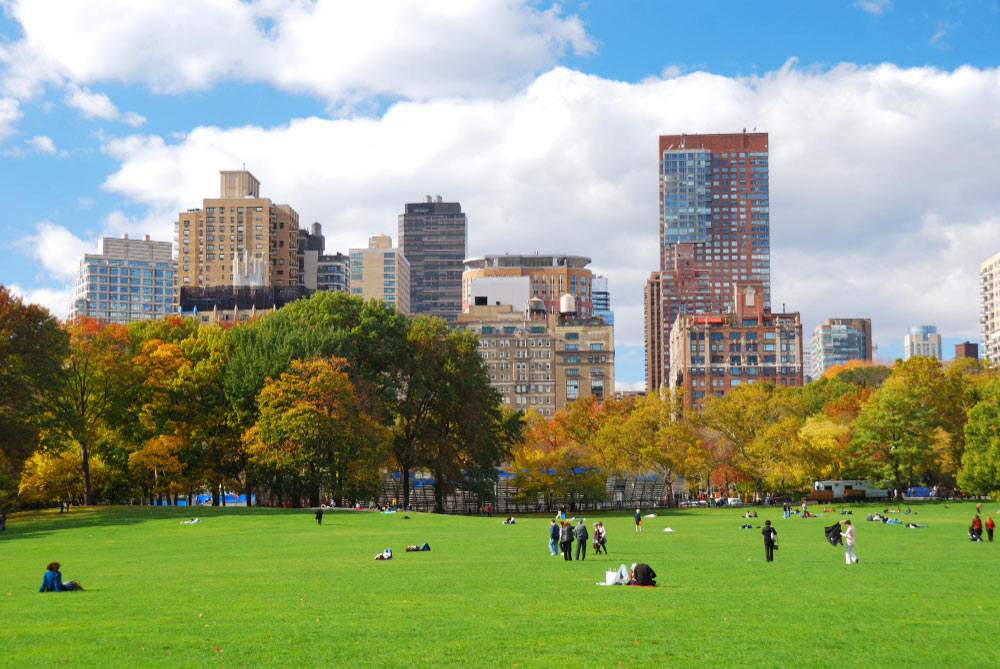
The Berkeley Marina provides a broad open setting along the Bay, with walking and cycling paths, picnic areas, boat access, and views toward the Bay bridges and nearby islands. The City’s Park at the Berkeley Waterfront includes a 1.25-mile accessible loop that forms part of the Bay Trail. It is a good place for a relaxed walk, a bike ride, or watching the changing light over the water. The waterfront is one of the Berkeley parks and open-space experiences that feels distinct from the city’s inland neighborhoods.
Aquatic Park and Neighborhood Green Spaces
Aquatic Park, near the western side of Berkeley, features a lagoon, walking and biking trails, picnic areas, and disc golf. Other neighborhood parks, including Ohlone Park, Live Oak Park, San Pablo Park, and Strawberry Creek Park, provide play areas, courts, lawns, and community spaces. These smaller parks are especially relevant to people considering where to live because they can become part of a regular weekday routine rather than an occasional destination.
Food and Restaurants in Berkeley
Chez Panisse and North Shattuck Dining
Chez Panisse is one of Berkeley’s most recognized dining names and is closely associated with the development of California cuisine and the farm-to-table movement. Its restaurant and café offer different dining experiences, so review the official website for current menus, reservations, and service details. The surrounding North Shattuck area also has bakeries, specialty food shops, and other independent restaurants, making it suitable for a longer food-focused visit.
The Cheese Board Collective
The Cheese Board Collective is a well-known North Berkeley cooperative with a bakery and cheese shop. It is a popular stop for people interested in fresh baked goods, cheese, and its daily pizza offerings. Because menus and opening arrangements may vary, check the collective’s current information before making it the centerpiece of a visit. It is a familiar stop among Berkeley restaurants and specialty food destinations, especially for visitors exploring North Shattuck. This stop adds another option for readers comparing Berkeley restaurants.
Telegraph Avenue Food Stops
Telegraph Avenue offers a more casual and eclectic dining experience. The district includes cafés, quick-service restaurants, international food options, and snack stops alongside its bookstores and independent shops. It can be a convenient place to grab a meal while exploring the university area, although crowds and busy sidewalks are part of the atmosphere.
Cafés and Neighborhood Dining
Across Berkeley, cafés and small restaurants contribute to the character of individual districts. Elmwood and Fourth Street are useful areas for combining a meal with shopping, while Downtown offers choices close to BART and cultural venues. If you are exploring Berkeley as a potential home base, notice where you would buy coffee, pick up groceries, meet friends, or eat on an ordinary weeknight—not only where you would go for a special occasion. These Berkeley restaurants and cafés offer a useful look at local everyday life.

Arts, Culture, and Family Attractions
UC Berkeley Campus and the Campanile
The UC Berkeley campus is a major attraction in its own right. Visitors can walk through landscaped campus spaces, see Sather Gate, admire Doe Memorial Library, and visit the Campanile, also known as Sather Tower. Access to tower viewing areas and visitor programs can vary, so check university visitor information before planning a visit. These Berkeley attractions are easy to combine with nearby shops and dining during a campus-area visit. The campus is among the best-known Berkeley attractions, and its central location makes it easy to pair with other city stops. It is one of the central Berkeley attractions for first-time visitors.
Berkeley Art Museum and Pacific Film Archive
The Berkeley Art Museum and Pacific Film Archive, commonly called BAMPFA, combines visual art exhibitions with film screenings and public programs. Its downtown location makes it easy to include with a visit to nearby restaurants, shops, or the university. Check the museum’s calendar for current exhibitions, screenings, admission information, and opening hours.
Lawrence Hall of Science
Located in the Berkeley Hills, the Lawrence Hall of Science is a hands-on science center with interactive exhibits and educational experiences for families and curious visitors. Its elevated location also offers broad views across the Bay Area. Review the center’s official visitor information for current exhibits, admission, and hours before making the trip.
Theaters, Music, and Local Events
Getting Around Berkeley
Berkeley is served by BART, AC Transit buses, regional roads, and bicycle routes. Downtown Berkeley BART station is useful for regional trips, while North Berkeley and Ashby stations serve other parts of the city. The most convenient station depends on your destination and the exact address you are starting from.
What to Consider If You Are Thinking About Living in Berkeley
A day exploring Berkeley can help you understand the city, but choosing a home requires examining the property and its block. Housing options vary from apartments near Downtown and the university to single-family homes in the hills and established residential neighborhoods. The experience of living close to a commercial corridor can be quite different from living several blocks away.
Consider your everyday routine. How far is the nearest grocery store? Is your commute practical by BART, bus, bicycle, or car? Are there parks or playgrounds you would actually use? Do you prefer the energy of Telegraph Avenue and Downtown, or the quieter feel of Elmwood, North Berkeley, or a hillside street? These questions help connect a general city guide with a real housing decision.
Frequently Asked Questions
What is Berkeley known for?
Berkeley is known for UC Berkeley, its independent and creative culture, food scene, historic Telegraph Avenue, parks, arts venues, and access to the Bay and Berkeley Hills.
Which parks should first-time visitors explore?
Tilden Regional Park, the Berkeley Rose Garden, Codornices Park, the Berkeley Marina waterfront, and Aquatic Park are useful starting points. Each offers a different experience, from hiking and gardens to waterfront walks.
Where can visitors find restaurants in Berkeley?
North Shattuck, Telegraph Avenue, Downtown, Elmwood, and Fourth Street all have dining options. North Shattuck is particularly associated with Berkeley’s farm-to-table food history.
Is Berkeley easy to explore without a car?
Many central districts are walkable and connected by BART and AC Transit. Reaching hillside parks and some waterfront destinations may require additional planning, so check routes and schedules for the places you want to visit.
Is Berkeley a good place to live?
Berkeley may appeal to people who value public transit, cultural activities, independent businesses, outdoor recreation, and a strong neighborhood identity. Whether it is a good fit depends on housing budget, commute, preferred setting, and the specific property.
Explore Berkeley and East Bay Real Estate with California Pacific Realty
Berkeley offers a wide range of experiences, from hillside trails and waterfront paths to neighborhood restaurants, independent shops, university attractions, and cultural venues. Exploring several districts is one of the most useful ways to understand how the city’s different environments compare.
If you are considering a move, rental property, or real estate investment in Berkeley or the wider East Bay, California Pacific Realty offers local real estate and property management resources.
Exploring Things to Do in Berkeley is a practical first step before comparing homes and neighborhoods. A local guide to Things to Do in Berkeley can help newcomers identify the districts they want to explore more closely.