
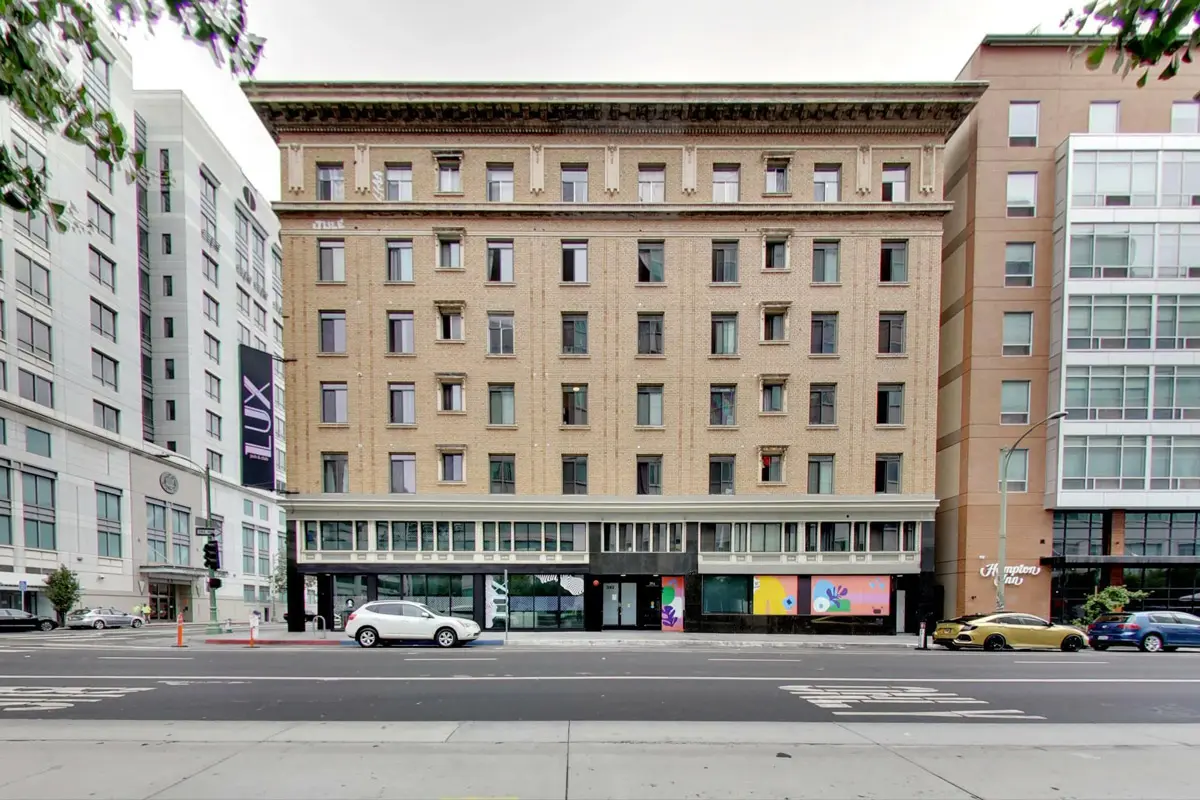
Isn’t it wonderful to walk into a residential or commercial property that is clean, presentable, and in great condition? Keeping a property that way is not magic. It requires regular property maintenance.
Property maintenance means keeping a property safe, livable, and functional. It includes routine inspections, repairs, and replacements.
It also includes daily tasks such as managing garbage, replacing light bulbs, and controlling pests. Regular inspections can cover electrical systems, water supply, and the building’s structure.
What Are the Types of Property Maintenance?
Regular Maintenance
Regular maintenance is done on a routine basis to keep a property in good condition. It can include inspections, cleaning, lawn care, and minor repairs.
These tasks help prevent major problems. Regular maintenance also helps protect the property’s appearance and value.
Corrective Maintenance
Corrective maintenance is done when a problem is found during an inspection or reported by a tenant. Common tasks include:
- Repairing faulty appliances.
- Fixing leaks.
- Addressing electrical problems.
- Correcting other issues and restoring normal function.
Corrective maintenance helps keep tenants satisfied. It also prevents small problems from becoming larger ones.
Reactive Maintenance
Reactive maintenance, also called breakdown maintenance, is done after equipment or part of a property fails.
This approach only takes action after a problem occurs. As a result, repair costs and downtime can increase.
Managing unexpected repairs quickly requires a skilled team. Fast action can help reduce damage and keep the property running properly.
Emergency Maintenance
Emergency maintenance involves immediate action when a serious and unexpected problem occurs. Examples include a broken heating system during winter, burst pipes, or sudden electrical faults.
These problems can threaten tenant safety or cause major property damage. Quick repairs can reduce these risks.
A reliable property management service can help respond to emergencies quickly.
Preventative Maintenance
Preventative maintenance is designed to stop problems before they happen. It can include checking the roof, cleaning gutters, inspecting plumbing, and checking electrical systems.
These tasks can extend the life of property systems and reduce long-term repair costs. A preventative maintenance plan also helps keep the property safe and functional.
What Are the Benefits of Routine Property Maintenance?
- Increased Property Value. Proper maintenance can help protect and increase a property’s market value. Regular repairs and updates keep the property in good condition and make it more attractive to buyers and investors.
- Reduced Repair Costs. Regular maintenance can help find small problems before they become expensive repairs. Preventative and corrective maintenance can reduce unexpected costs.
- Enhanced Tenant Satisfaction. A well-maintained property can lead to happier tenants. Satisfied tenants may stay longer, make fewer complaints, and renew their leases.
- Improved Safety and Compliance. Regular safety maintenance helps the property meet safety standards and regulations. Checking fire alarms and carbon monoxide detectors can also improve tenant safety.
- Lower Vacancy Rates. A clean and well-maintained property can attract more tenants. Regular improvements and good exterior maintenance can make the property more competitive in the rental market.
- Extended Lifespan of Property Assets. Regular maintenance can extend the life of HVAC systems, plumbing, electrical systems, and other property components. This can reduce the need for early replacements.
What Is Considered Maintenance on a Rental Property?
Repairs
Rental property repairs can include fixing leaks, broken windows, HVAC problems, garbage disposals, and appliances provided with the property.
Quick repairs help keep tenants satisfied and the property functional. They can also prevent small problems from becoming more expensive.
Safety-Related Maintenance
Safety maintenance includes checking carbon monoxide detectors, fire-fighting equipment, and other safety systems.
It also includes making sure the property follows safety standards and building codes. Regular inspections can help identify safety problems and reduce potential liability.
Regular Cleaning
Regular cleaning mainly applies to common areas in apartment buildings, multi-unit properties, and residential communities.
Keeping these areas clean improves the tenant experience. It can also improve the property’s appearance and attract new tenants.
Grounds Maintenance
Grounds maintenance keeps the exterior of a property clean, safe, and attractive. It can include lawn care, snow removal, trash removal, and landscaping.
Well-maintained grounds can improve tenant satisfaction and help protect property value.
Regular Upgrades
Some landlords make regular upgrades to keep their properties modern and competitive. These upgrades may include new fixtures, fresh paint, or newer appliances when they are part of the rental agreement.
Updated properties may attract more tenants. They can also help reduce vacancies and increase property value.
What Are the Best Practices for Maintaining a Property?
Routine Inspections
Regular property inspections can help identify problems before they become serious.
Property maintenance companies may use property maintenance software to schedule inspections. These inspections can cover systems such as electrical equipment and water heaters.
Responsive Repair
Responding quickly to tenant repair requests can prevent small problems from becoming major issues.
Whether the problem is a faulty garbage disposal or water damage, a professional maintenance company should respond quickly. Fast service can also improve the tenant experience.
Preventive Maintenance
Preventive tasks can help reduce future repair costs. These tasks may include replacing light bulbs, checking fire-fighting equipment, and controlling rodents.
Regular attention to these tasks can prevent problems caused by neglect.
Property Code Compliance
Keeping up with safety standards, building codes, and property regulations is important.
Regular safety inspections and compliance checks should be part of the property maintenance process. This can help reduce the risk of penalties and other problems.
Seasonal Maintenance
Different seasons require different maintenance tasks. These may include snow removal, air conditioner maintenance during summer, and heating system checks during winter.
Adjusting maintenance tasks for each season helps keep the property in good condition.
Budgeting
Good property maintenance also requires proper budgeting. Estimate annual maintenance and repair costs and set money aside for unexpected problems.
Property maintenance software can also help organize maintenance costs and tasks.
What Will Happen If You Don’t Maintain Your Property?
- Decreased Property Value. Poor maintenance can cause property value to decline. Problems such as peeling paint, broken fixtures, and general wear can make the property less attractive to buyers.
- Increased Repair Costs. Small problems can become major issues when they are ignored. For example, a small leak can cause water damage, mold, or structural problems.
- Shortened Lifespan of Property Components. Skipping HVAC service, gutter cleaning, and plumbing inspections can shorten the life of these systems. This may lead to expensive early replacements.
- Higher Vacancy Rates. Poorly maintained properties are less attractive to renters. High vacancy rates can reduce rental income and increase the cost of finding new tenants.
- Tenant Dissatisfaction and Turnover. Ignoring repairs can make tenants unhappy. They may leave when their leases end or break their leases early, causing more vacancies and lost income.
- Increased Safety Hazards and Liability. Ignoring safety maintenance can create serious risks. Fire hazards, electrical problems, and structural issues can put tenants in danger and increase owner liability.
- Legal and Regulatory Consequences. Poor maintenance can lead to violations of safety codes and property regulations. These violations may result in fines, penalties, or lawsuits.
- Pest Infestations. Poor maintenance can attract pests. Unclean gutters, leaks, and unattended trash can attract rodents, insects, and other pests.
Why Should You Hire Professional Property Managers?
- Expertise and Knowledge. Professional property maintenance teams have the skills and experience needed to care for your property. They understand preventive maintenance and current maintenance practices.
- Compliance with Regulations. Property managers can help you follow local property laws and regulations. This can help reduce the risk of fines and penalties.
- Time and Effort Saving. Managing a property and handling safety checks can take a lot of time. Hiring a property manager or company allows you to focus on other activities while they handle these tasks.
- Tenant Satisfaction. A well-maintained home can improve tenant satisfaction. Happy tenants may be more likely to renew their leases and report fewer problems.
- Preserve Property Value. Regular maintenance keeps the property functional and attractive. This can help protect its market value over time.
Secure Your Investment With California Pacific Realty’s Property Maintenance Services
Property maintenance is about more than keeping a property clean and attractive. It also helps protect your investment and provide a safe and comfortable place for occupants.
Regular maintenance should be viewed as a proactive investment rather than an expense.
Contact California Pacific Realty today to help protect your property’s value and condition with professional property maintenance services.